
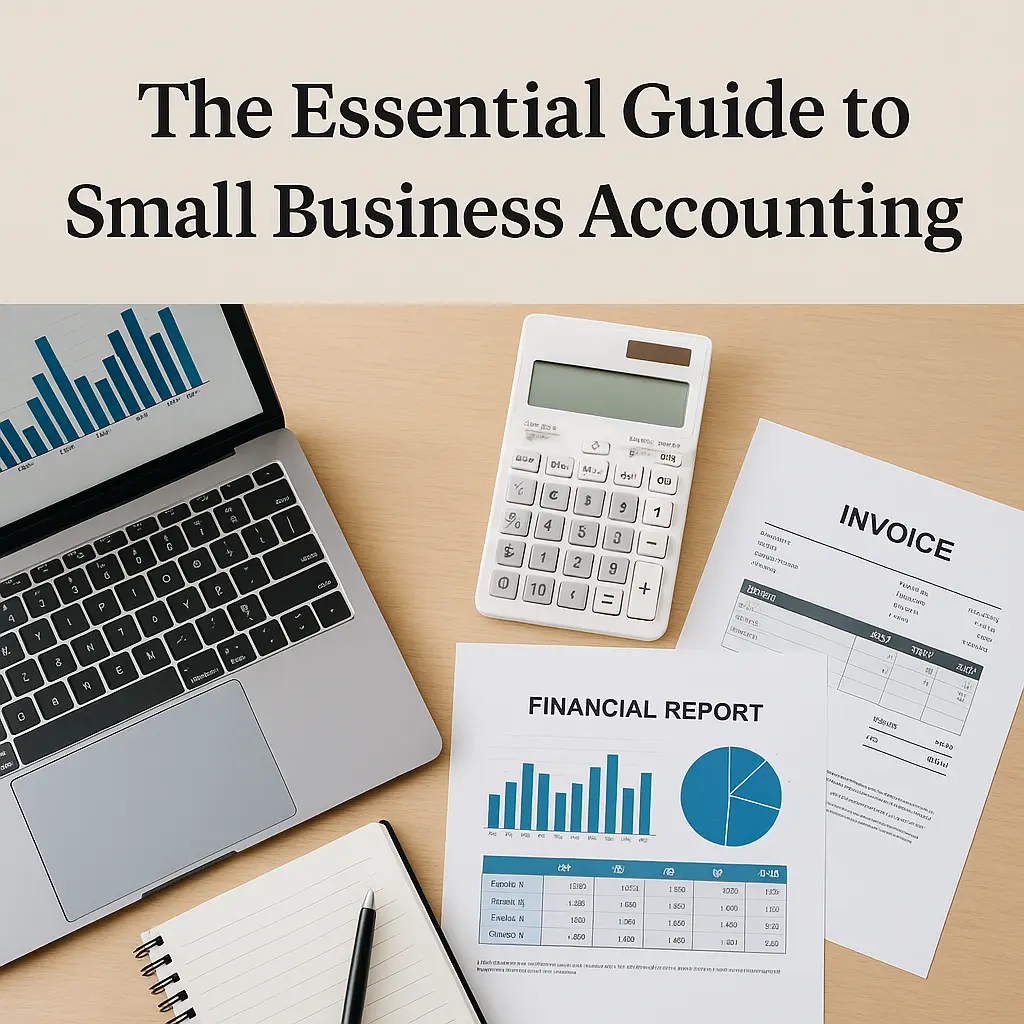
Solid accounting turns daily transactions into clear decisions. This guide shows owners and managers how to set up a reliable system, keep books clean year-round, and use financials to grow. At Henriquez Accounting & Tax Services, we support businesses across Tampa Bay—Zephyrhills, Wesley Chapel, Brandon, Lakeland, St. Petersburg, and beyond. For hands-on help, explore Accounting & Bookkeeping, Outsourced Controller / CFO, Tax Preparation, Payroll Services, and Florida Sales Tax.
IRS Small Business & Self-Employed Tax Center: https://www.irs.gov/businesses/small-businesses-self-employed
U.S. Small Business Administration Accounting Resources: https://www.sba.gov/business-guide/manage-your-business/finances-accounting
FASB Accounting Standards: https://www.fasb.org
Florida Department of Revenue – Business Taxes: https://floridarevenue.com/taxes/Pages/default.aspx
Accounting vs. Bookkeeping (What’s the Difference?)
- Bookkeeping: records transactions, categorizes expenses, reconciles bank/credit cards, manages A/R and A/P. See our Bookkeeping services.
- Accounting: interprets the numbers—financial statements, KPIs, budgeting, tax planning, and strategy. Consider our Controller/CFO support.
Fast Setup Checklist
- Choose software (QuickBooks Online/Enterprise) and enable bank feeds.
- Create a chart of accounts that matches your industry.
- Open business-only banking and card accounts; avoid mixing personal spending.
- Turn on document management (receipt capture, vendor W-9s, contracts).
- Build a monthly close checklist (reconciliations, review uncategorized, tie out loans).
- Back up and restrict access with roles/permissions.
Sample Chart of Accounts (Contractors & Retail)
- Income: Labor, Materials, Service Plans, Change Orders, Online Sales
- COGS: Subcontractors, Direct Materials, Freight, Merchant Fees
- Expenses: Fuel/Vehicle, Small Tools, Advertising, Insurance, Rent, Utilities, Software, Payroll Taxes
- Other accounts: Track owner draws and distributions separately from deductible operating expenses. Classify owner wages, depreciation, interest and other items according to the entity and reporting requirements.
Cash vs. Accrual (Which Should You Use?)
The cash and accrual methods have different timing rules for income and expenses. Tax-method eligibility, inventory rules, capitalization, prepayments and changes of method may affect the result. Management reporting and tax reporting can also differ. Review IRS accounting-method guidance and confirm the rules for the relevant year before selecting or changing a method.
Monthly Close: What “Clean Books” Look Like
- Bank/credit cards reconciled to statements; petty cash and loans tied out.
- Open invoices reviewed; past-due follow-ups sent; unapplied payments cleared.
- Inventory/WIP updated; job costs allocated correctly.
- Sales tax filings prepared (see Florida Sales Tax); payroll and 941/940 liabilities matched.
- Reports: P&L, Balance Sheet, Cash Flow, A/R Aging, A/P Aging, and key KPIs.
Payroll, Sales Tax & Compliance
- Payroll: set pay schedules, collect W-4/I-9, remit taxes, file quarterlies; we can manage this under Payroll Services.
- Sales/Use Tax: Review registration, taxable and exempt transactions, filing frequency and supporting certificates. Confirm scope through Florida tax services.
- Information returns: Collect appropriate payee documentation and check the tax-year reporting thresholds, exceptions, deadlines and electronic filing requirements. Form 1096 accompanies certain paper filings; it is not required for electronic filing. See IRS contractor-payment reporting guidance.
Year-End & Tax Strategy
- Reconcile all accounts; verify asset lists; record depreciation.
- Consider Section 179/bonus depreciation when appropriate.
- Max retirement contributions (SEP-IRA, Solo 401(k)) and review S-Corp reasonable compensation.
- Run a pre-filing tax projection to avoid surprises and adjust estimated payments—book via Tax Preparation.
KPIs to Watch
- Gross Margin = (Revenue − COGS) / Revenue
- Operating Margin = Operating Income / Revenue
- Cash Conversion Cycle = DSO + DIO − DPO
- Break-Even Sales: Fixed costs divided by the contribution margin ratio, where the ratio equals (sales minus variable costs) divided by sales. The calculation assumes a positive ratio and consistent cost and sales-mix assumptions.
Need clean books—and a plan?
We set up systems, catch up months of transactions, and deliver tax-ready financials. Get a tailored plan for your industry and growth goals. If you’re dealing with notices, we can also help via IRS Representation.
FAQs
Do I need an accountant if I already use QuickBooks?
Software can organize transactions, but reports require complete inputs, appropriate categorization, reconciliation and review. Whether you need professional help depends on your skills, time, complexity and budget. Discuss bookkeeping or controller/CFO support if appropriate; no tax savings or error-free reporting is guaranteed.
How often should I reconcile my accounts?
Monthly reconciliation is a useful routine for many businesses. Choose a frequency suited to transaction volume, reporting needs and filing obligations; higher-volume activity may need more frequent checks. Coordinate reporting with Payroll Services and applicable sales-tax filing.
When should I switch from sole prop/LLC to an S-Corp?
There is no universal profit threshold for an S corporation election. Review eligibility, reasonable compensation, payroll, total compliance costs and state taxes. An LLC is a legal entity with separate federal tax classification rules. See IRS LLC guidance and S corporation compensation guidance.
Can you clean up last year’s books?
We can assess prior-period cleanup after reviewing available records, opening balances and account access. Agree the periods, deliverables, fees and schedule before work starts. Cleanup does not guarantee an audit outcome.
©Copyright. All rights reserved.