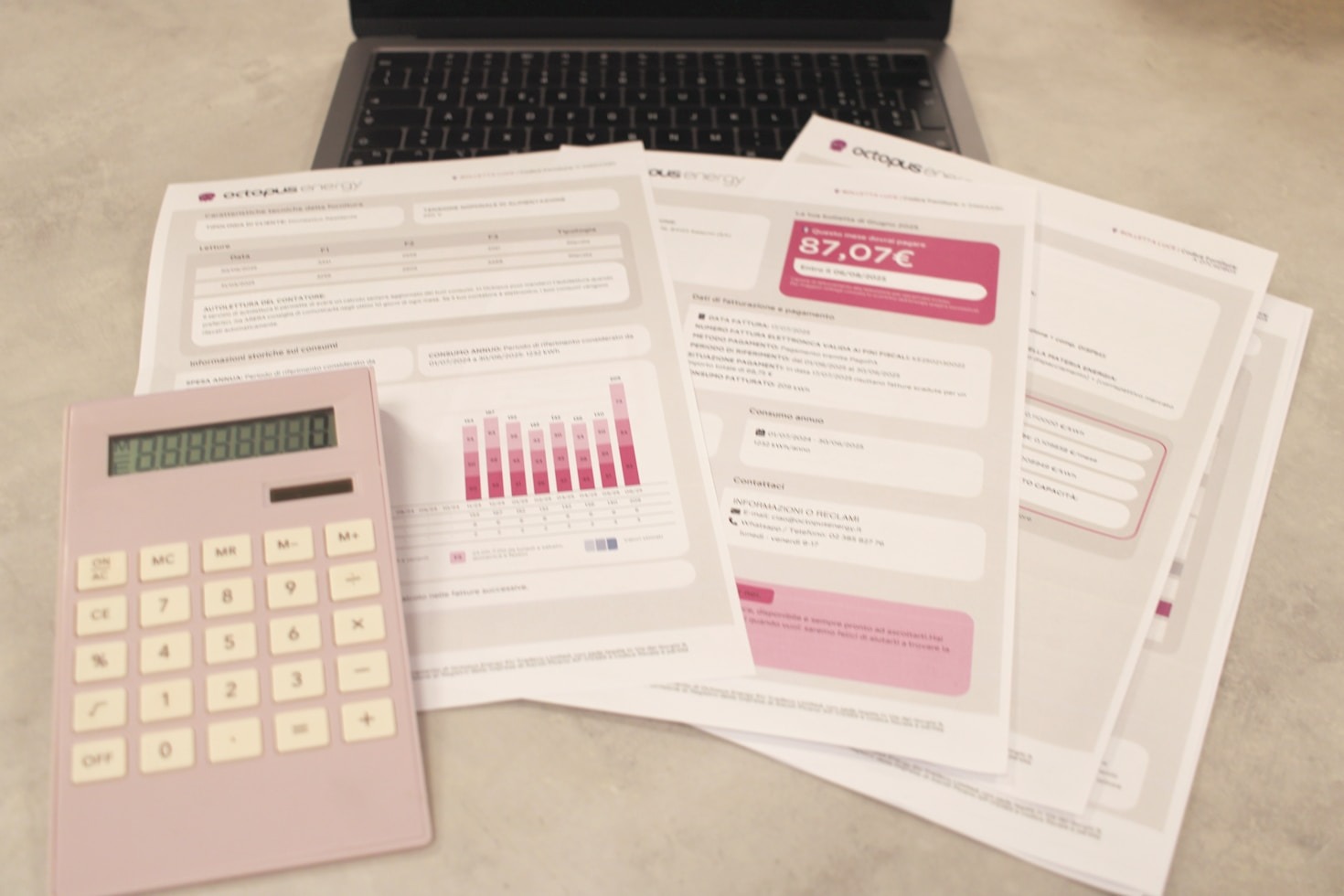

Efficient financial management is one of the most important foundations of a successful business. When finances are well-organized, business owners have clarity, control, and confidence in their operations. However, many businesses — especially small and growing companies — struggle with disorganized books, inconsistent budgeting, or time-consuming financial tasks. This leads to confusion, stress, and unnecessary expenses.
Streamlining your business finances is not just about reducing paperwork; it involves improving systems, implementing the right tools, and maintaining accurate financial information consistently. When done correctly, streamlined finances help reduce errors, increase profitability, support smarter decision-making, and free up valuable time for business owners to focus on growth.
Below are key strategies for streamlining business finances efficiently and building a strong financial foundation for long-term success.
1. Centralize Your Financial Information
A common source of financial confusion is scattered information. Receipts in one place, invoices stored somewhere else, and bank statements stored separately create gaps and errors.
To streamline, centralize your financial information by using:
- A dedicated business bank account
- Business credit or debit cards for company purchases
- Accounting software to track all income and expenses
- Cloud storage for receipts, invoices, and financial documents
Centralization allows business owners to see the full financial picture at any given time and reduces the chance of missing costs, income, or tax deductions.
2. Implement Reliable Accounting Software
Manual spreadsheets are time-consuming, prone to errors, and difficult to review. Accounting software like QuickBooks Online, Xero, or Wave streamlines bookkeeping and makes financial information easier to manage.
Using software helps:
- Automatically categorize transactions
- Track income and expenses in real time
- Generate financial statements instantly
- Simplify tax preparation
- Create invoices and receive payments faster
Choosing the right software ensures that your financial data remains accurate and up-to-date.
3. Keep Your Books Updated Regularly
Streamlining finances requires consistency. Many business owners fall behind because they try to manage bookkeeping in large chunks — monthly or yearly — which becomes overwhelming and leads to mistakes.
Instead:
- Review transactions weekly
- Reconcile accounts monthly
- File receipts and categorize expenses consistently
When books are updated regularly, business owners always know where their finances stand — eliminating stress at tax time and improving decision-making.
4. Separate Personal and Business Expenses
Mixing personal and business finances can lead to confusion, inaccurate tax filings, and loss of legal liability protection.
To streamline and protect your business:
- Use a dedicated business bank account
- Do not pay personal expenses from business funds
- Avoid transferring business revenue to personal accounts without documentation
- Pay yourself through an owner draw or payroll depending on structure
Clear separation makes bookkeeping cleaner and ensures compliance with IRS standards.
5. Standardize Your Invoicing and Payment Processes
Cash flow problems often occur because invoices are sent late, payments take too long, or customers are unclear about payment expectations.
To streamline invoicing:
- Use electronic invoicing software
- Send invoices immediately after work is completed
- Offer clear payment terms (e.g., Net 15 or Net 30)
- Use automated reminders to encourage timely payments
- Accept online payments to reduce delays
Efficient billing improves cash flow, reduces overdue accounts, and helps the business operate smoothly.
6. Monitor Cash Flow Actively
Even profitable businesses can face financial challenges if cash flow is not managed properly. Cash flow tracking helps business owners understand when money is expected to come in and when major expenses are due.
Monitoring cash flow helps you:
- Avoid shortages
- Plan purchases strategically
- Schedule payments at the right time
- Prepare for slow seasons
A strong cash flow system ensures stability and protects the business from avoidable financial stress.
7. Use a Budget to Guide Spending
Budgets are not restrictions; they are roadmaps. A clear budget helps business owners plan ahead, allocate funds effectively, and avoid unnecessary spending.
A strong business budget includes:
- Fixed and variable monthly expenses
- Income projections
- Growth or expansion goals
- Emergency and reserve savings allocations
Budgets ensure that every dollar serves a purpose and aligns with business goals.
8. Conduct Regular Financial Reviews
Financial reviews allow business owners to evaluate performance and make adjustments where needed. Reviewing financial reports monthly or quarterly helps identify trends such as:
- Increases in expenses
- Shifts in customer demand
- Opportunities for cost savings
- Profitable vs. underperforming products or services
These insights drive smarter strategic decisions and long-term growth planning.
9. Work With a Professional Bookkeeper or Advisor
Business finances can become complex quickly. Working with a bookkeeper or business advisor helps ensure that financial data is accurate, tax deductions are maximized, and financial systems are optimized.
Professional support helps:
- Prevent costly mistakes
- Save time and reduce stress
- Improve financial organization
- Support tax planning and compliance
- Strengthen financial strategy for growth
Investing in financial expertise provides long-term returns by increasing clarity and profitability.
Final Thoughts
Streamlining your business finances is not a one-time project — it is an ongoing commitment to maintaining clarity, accuracy, and financial discipline. By centralizing financial data, using the right tools, keeping records up-to-date, managing cash flow proactively, and seeking professional support when needed, business owners can build a stable and scalable financial foundation.
When your finances are organized, your business is positioned for growth.
Leave a Reply